
Studies1 looking into the effects of probiotics for Alzheimer’s found that probiotic bacteria improved cognitive function in participants with this disease.
Within this article we discuss:

Alzheimer's disease is the most common type of dementia, affecting 62% of those diagnosed.
What is Alzheimer's?
Alzheimer’s disease (AD) is a progressive neurodegenerative disorder that primarily affects memory, cognitive function, and behavior. It is the most common cause of dementia, accounting for approximately 60-80% of dementia cases worldwide. The disease is characterised by the accumulation of beta-amyloid plaques and tau tangles in the brain, leading to the death of neurons and the deterioration of brain function.
Symptoms of Alzheimer’s typically begin with mild memory loss and confusion but gradually worsen over time. In later stages, individuals may struggle with recognising family members, performing daily tasks, and communicating effectively. While there is currently no cure, treatments are available to manage symptoms and slow disease progression.
In recent years, researchers have explored various factors influencing Alzheimer’s development, including genetics, inflammation, oxidative stress, and the gut microbiome. Emerging evidence suggests that the gut microbiome may play a significant role in the disease’s progression, leading scientists to investigate the potential benefits of probiotics for Alzheimer’s patients.
How probiotics can help with Alzheimer's symptoms
Traditionally probiotics have been associated with gut health only. However, there has been growing evidence that the gut and brain are linked by the gut-brain axis. So far the emphasis has been on the connection between gut bacteria and neurotransmitter production leading to an influence on stress, anxiety, and depression. An Iranian study carried out by researchers from Kashan University of Medical Sciences now leads to a fascinating and promising idea that, there may also be a connection between gut flora and Alzheimer’s1.
Traditionally, probiotics have been associated with gut health, but research increasingly supports the idea that the gut and brain are interconnected via the gut-brain axis. This connection suggests that gut microbiota can influence brain function, particularly in relation to stress, anxiety, and depression. More recently, studies have begun to explore whether probiotics can also impact neurodegenerative diseases such as Alzheimer’s.
A notable study conducted by researchers from Kashan University of Medical Sciences in Iran examined the effects of probiotics on Alzheimer’s patients1. This randomized, double-blind, controlled clinical trial involved 52 participants with a mean age of 80 over a 12-week period. The treatment group consumed 200ml of probiotic milk daily, containing Lactobacillus acidophilus, Lactobacillus casei, Bifidobacterium bifidum and Lactobacillus fermentum at approximately 400 billion live cultures per species
The study assessed cognitive function using the Mini-Mental State Examination (MMSE), a 30-point questionnaire measuring cognitive impairment. Additionally, blood samples were analysed to evaluate oxidative stress markers, inflammatory responses, and metabolic profiles.
Results showed that probiotic supplementation led to a 27.9% improvement in MMSE scores, compared to a 5.03% decline in the control group. Probiotic-treated patients also exhibited improvements in oxidative stress markers and inflammation levels, including reductions in malondialdehyde (MDA) and high-sensitivity C-reactive protein (hs-CRP). These findings suggest that probiotics could contribute to cognitive function and overall brain health.
While this study provides promising evidence, it is essential to consider its limitations. The relatively small sample size and short duration highlight the need for further research. Larger, long-term studies could better assess whether probiotics not only alleviate symptoms but also slow disease progression. Additionally, investigating probiotic effects on younger individuals or those in the early stages of Alzheimer’s could reveal whether these supplements have preventative potential.
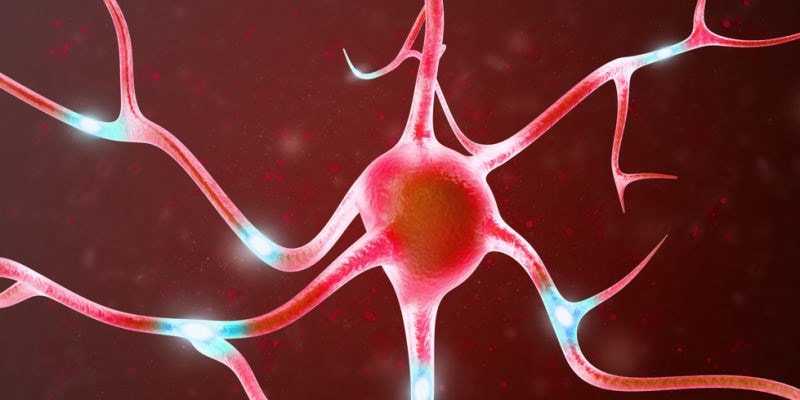
The gut-brain connection is a fast growing area of research
The best probiotics for Alzheimer's
Given the promising research surrounding probiotics and Alzheimer’s, selecting the right strains is crucial.
The most studied probiotic strains for cognitive health include:
Lactobacillus acidophilus NCFM: This strain has been shown to reduce inflammation and improve cognitive function in animal studies, potentially benefiting Alzheimer’s patients7,8.
Lactobacillus casei Shirota: Known for its role in reducing stress and enhancing mood, this strain may help alleviate anxiety and cognitive decline in Alzheimer's patients12,13.
Bifidobacterium longum 1714: Research has linked this strain to stress resilience, improved memory, and enhanced brain function11.
Lactobacillus rhamnosus GG: Associated with neurotransmitter modulation, which may improve mood and cognitive health9,10.
Key summary
The link between the gut microbiome and brain function is a rapidly growing area of research. While early studies suggest probiotics could offer cognitive benefits for Alzheimer’s patients, further large-scale trials are needed to confirm these findings. However, given the role of probiotics in reducing inflammation, supporting gut integrity, and influencing neurotransmitter production, they represent a promising avenue for natural Alzheimer’s symptom management.