
This is a question asked by many expectant mums. And the short answer is that friendly bacteria such as acidophilus, are generally very safe to use, even at this most delicate time1,2. However, it is always worth checking with the relevant manufacturer, as there may be some exceptions.
Within this article:

Taking friendly bacteria whilst pregnant or breastfeeding is generally considered safe
Are all live cultures safe during pregnancy and breastfeeding?
We cannot speak for other manufacturers' products, but the majority of our supplements are safe to take when pregnant or breastfeeding. Our product packaging features a ‘suitable in pregnancy’ logo to make it easy to see which ones are safe for you. However, there are three supplements where we do not include this logo on the packaging, and recommend you consult your doctor before taking them.
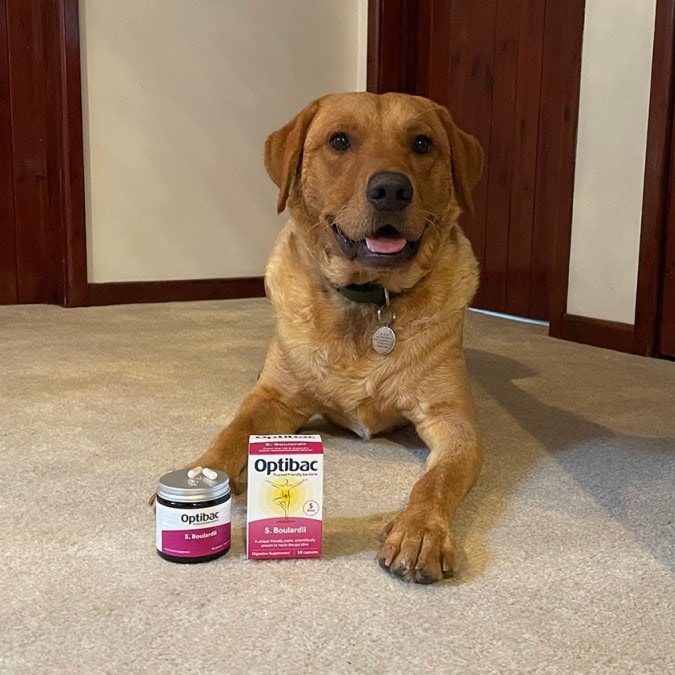
Saccharomyces boulardii
The strain Saccharomyces boulardii, which is used in two of our supplements - Saccharomyces Boulardii and Travel Abroad - has not yet been trialled in pregnant or breastfeeding women.
As we always aim to make recommendations which are backed up with as much research as possible, we feel it’s best that pregnant and breastfeeding women take either of these products only under a doctor’s care.
Bacillus coagulans Unique IS-2
Our Kids Gummies and Gut Health Gummies products contain the strain Bacillus coagulans Unique IS-2, which has not been tested in pregnant women and we therefore recommend to consult your doctor before taking these products.
Best live cultures supplements to take during pregnancy
The best type of live cultures supplement to take during pregnancy is one that contains strains which have been extensively trialled in pregnant women, and therefore comes with an excellent safety profile for this group. The types of good bacteria used should ideally have been researched for both the health of the expectant mum, and also the health of her growing baby.
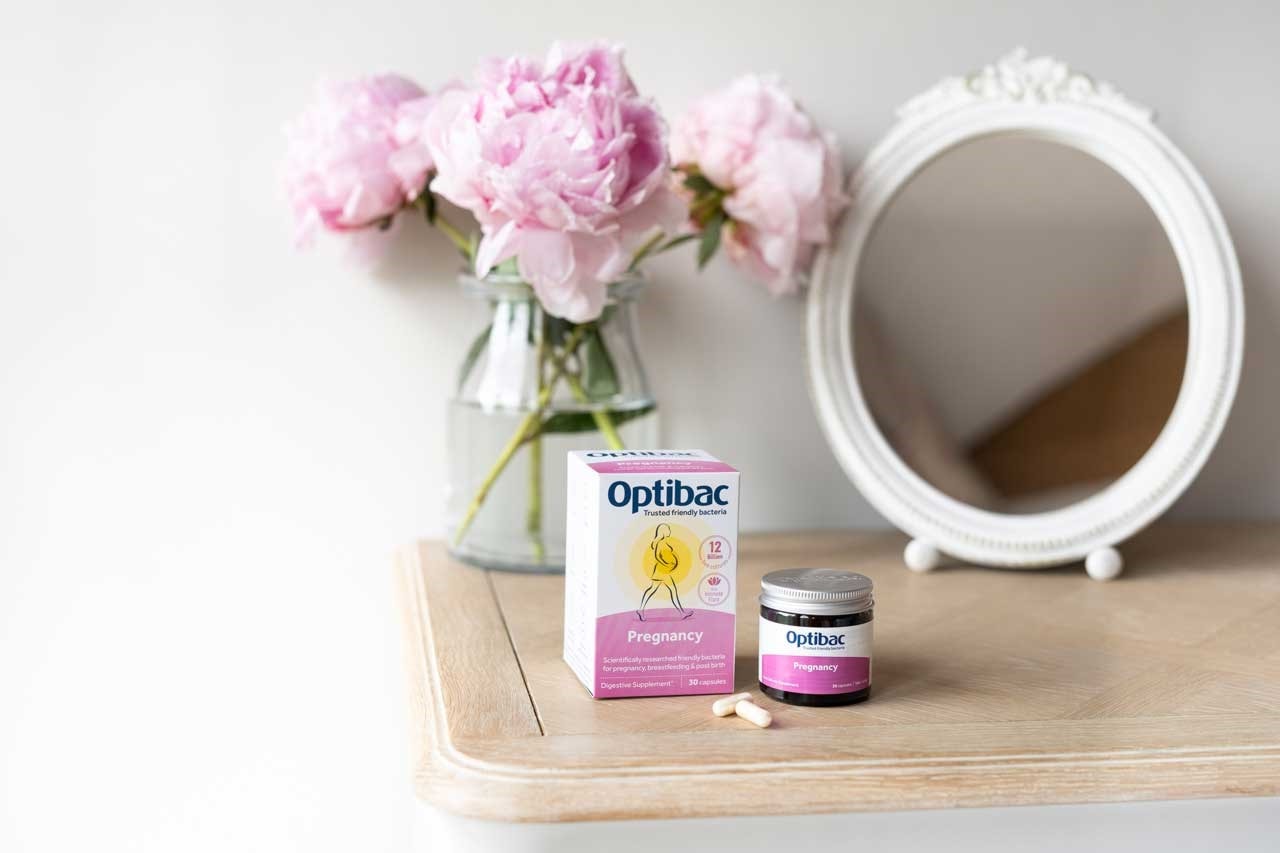
Optibac Pregnancy is suitable from conception through to post-birth
Pregnancy can be safely recommended for pregnant and breastfeeding mothers who are looking for a friendly bacteria supplement during this time. This 3 strain product supports both mum and baby.
Once little one ‘arrives’ in the world, new mums often want to continue to support their development with a specific product designed just for baby. If mum is breastfeeding then Pregnancy remains a good option, as baby will get the benefits of mum's good bacteria through her breast milk.
For mums who are not breastfeeding, or if the child is a little bit older, the following two products are given directly to the infant:
Baby Drops comes in an easy-to-use flavourless liquid drop format that can be dropped directly in to babies’ mouth, or added to their bottle. This well-researched product is suitable from birth, and is used in neo-natal units around the world.
Babies & Children powder comes in a handy sachet format with added Vitamin D, to be mixed with a babies’ bottle, or added to their food. Suitable from birth.
Taking friendly bacteria when breastfeeding
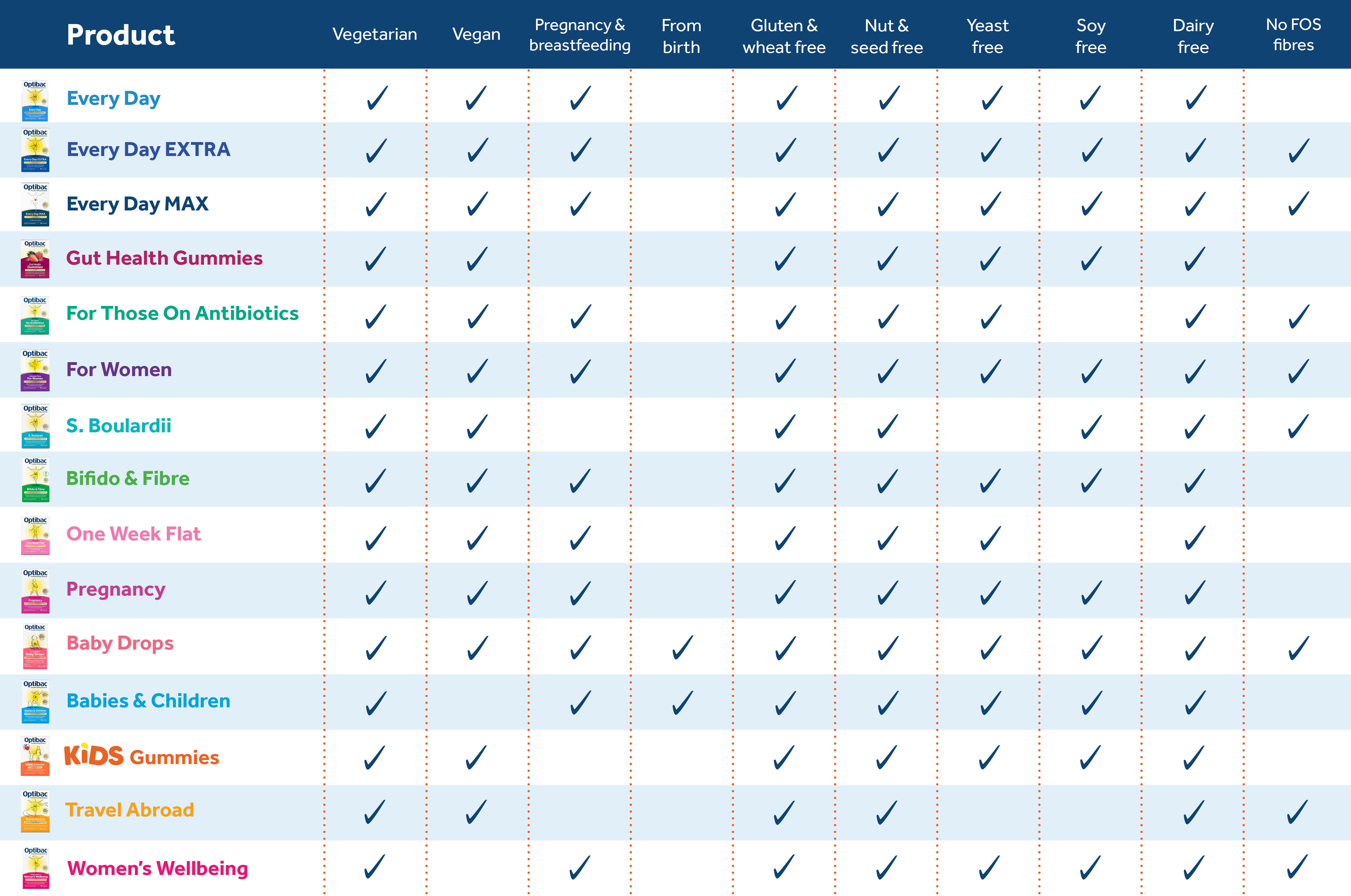
If you are breastfeeding but no longer want to take the Pregnancy supplement, our range has many options that are suitable whilst breastfeeding, you can find a ‘suitable in pregnancy’ logo on our packaging to know which ones are safe to take. The table above shows which products are suitable whilst breastfeeding. The products which are showing as not suitable are due to the strains not being trialled in breastfeeding women.
Fermented foods during pregnancy
Another way to support healthy microbial balance in the gut is to consume traditional fermented foods, such as live yoghurt, kefir and sauerkraut. Most of these fermented foods are perfectly safe during pregnancy, although there is a slight question mark over any non-pasteurised dairy products, due to a concern over listeria. This is the same reason why pregnant women are often advised not to eat soft cheeses. If the dairy is pasteurised it is of course, safe to consume. Or there are plenty of non-dairy alternatives for raw milk kefir, such as water kefir, kombucha, kimchi, sauerkraut etc. You can read more about fermented foods here.
You might also be interested to read these FAQs:
Is Optibac suitable for children?
At what time and how do I take Optibac supplements?
Plus, you can find out more about the best live cultures for use in pregnancy on the Learning Lab.
This FAQ has been answered by Helen Morton, Nutritional Therapist DipION